Using ChatGPT Image 2 for Clinician Handouts and Visual Materials
ChatGPT Image 2 makes clinician visuals practical in a way earlier image tools often did not. The output is readable, visually coherent, and often usable on the first prompt, which makes it useful for handouts, coping cards, posters, worksheets, and psychoeducation visuals.
Older image models were hard to depend on for clinical materials. A handout might have a nice style with broken text. A worksheet might look polished at a glance and fall apart in the details. A visual support might require so many retries that the workflow stopped making sense. ChatGPT Image 2 raises the floor. The first result is often close enough to review, revise, print, and use.
Speed And Fit
Clinicians can make these materials close to the moment they need them. A handout can be made before session, between sessions, or right after session while the topic is still fresh. Sometimes it is quick enough to make during session from a few lines of shorthand, then print or send home with the client. The material can stay close to the actual conversation.
Revision can become part of the clinical process instead of a separate design chore. You can simplify the language, change the reading level, add white space, make the page denser, shift from child-facing to parent-facing, or turn a full handout into a small card. The first version often gives you something to shape, even when it is not perfect.
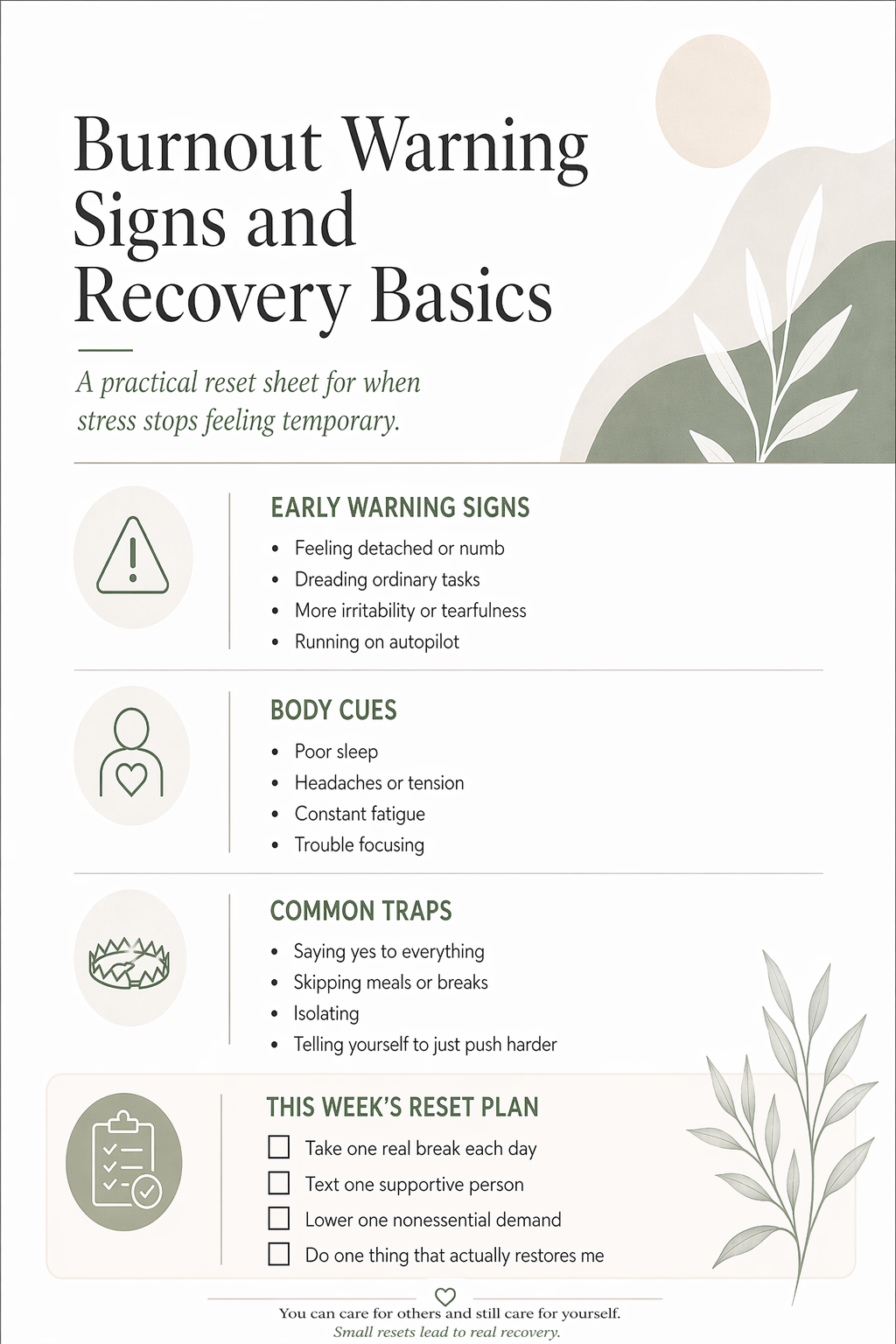
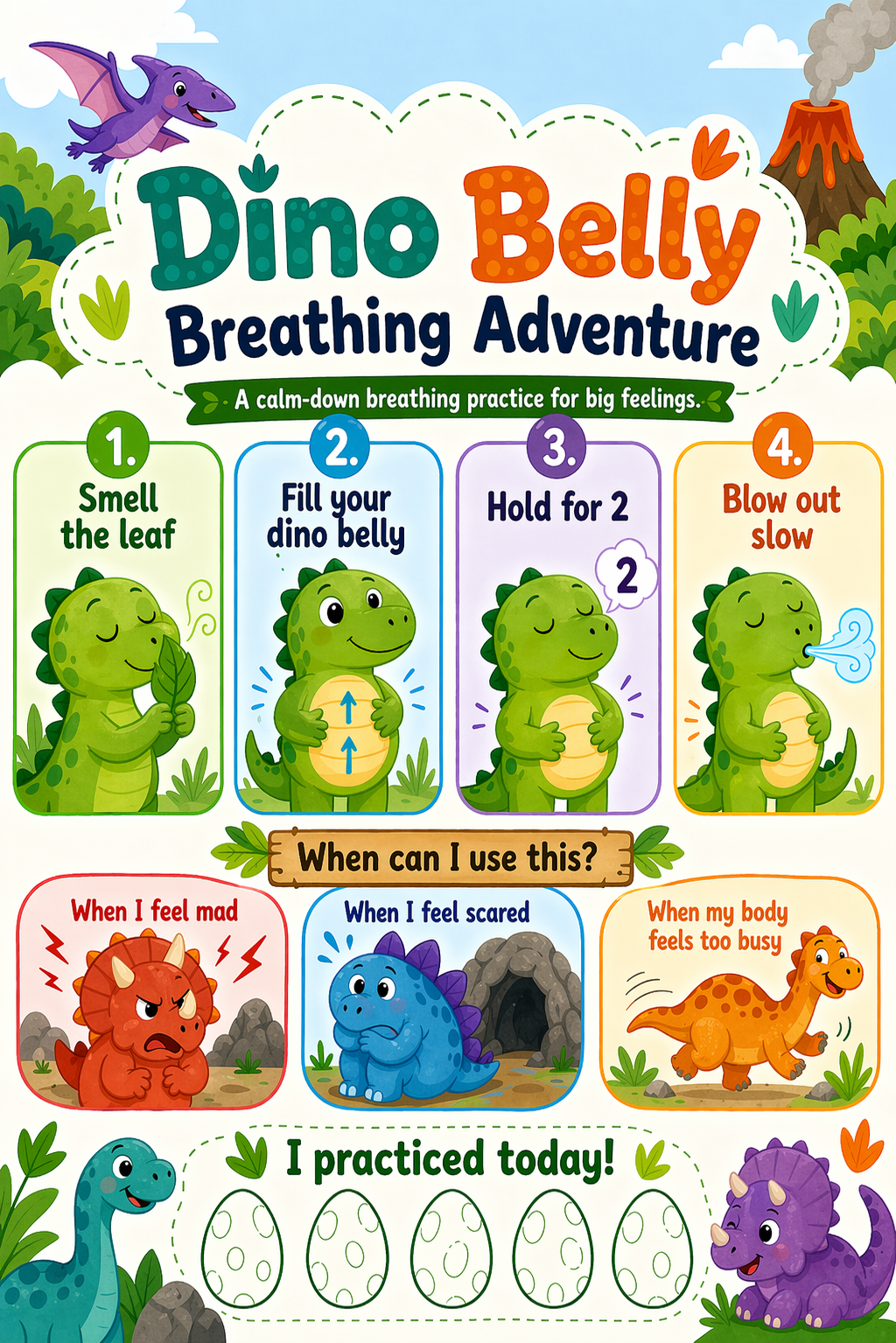
Clinical materials work better when they fit the person in front of you. Generic materials can explain a concept, but they often feel detached from the client’s age, interests, tone, and actual concern. A child may need something playful and themed. A teenager may need something mature enough to keep. An adult may need something calm, polished, and information-rich without looking like clinic paperwork. The form changes how the content lands.
A good visual fit can affect whether the material survives the walk out of the office. A generic worksheet is easy to leave in a folder, forget on the table, or ignore once the session ends. A material that feels made for the person has a better chance of being kept, reread, shown to a parent, saved on a phone, or used during a hard moment.
Beyond Handouts
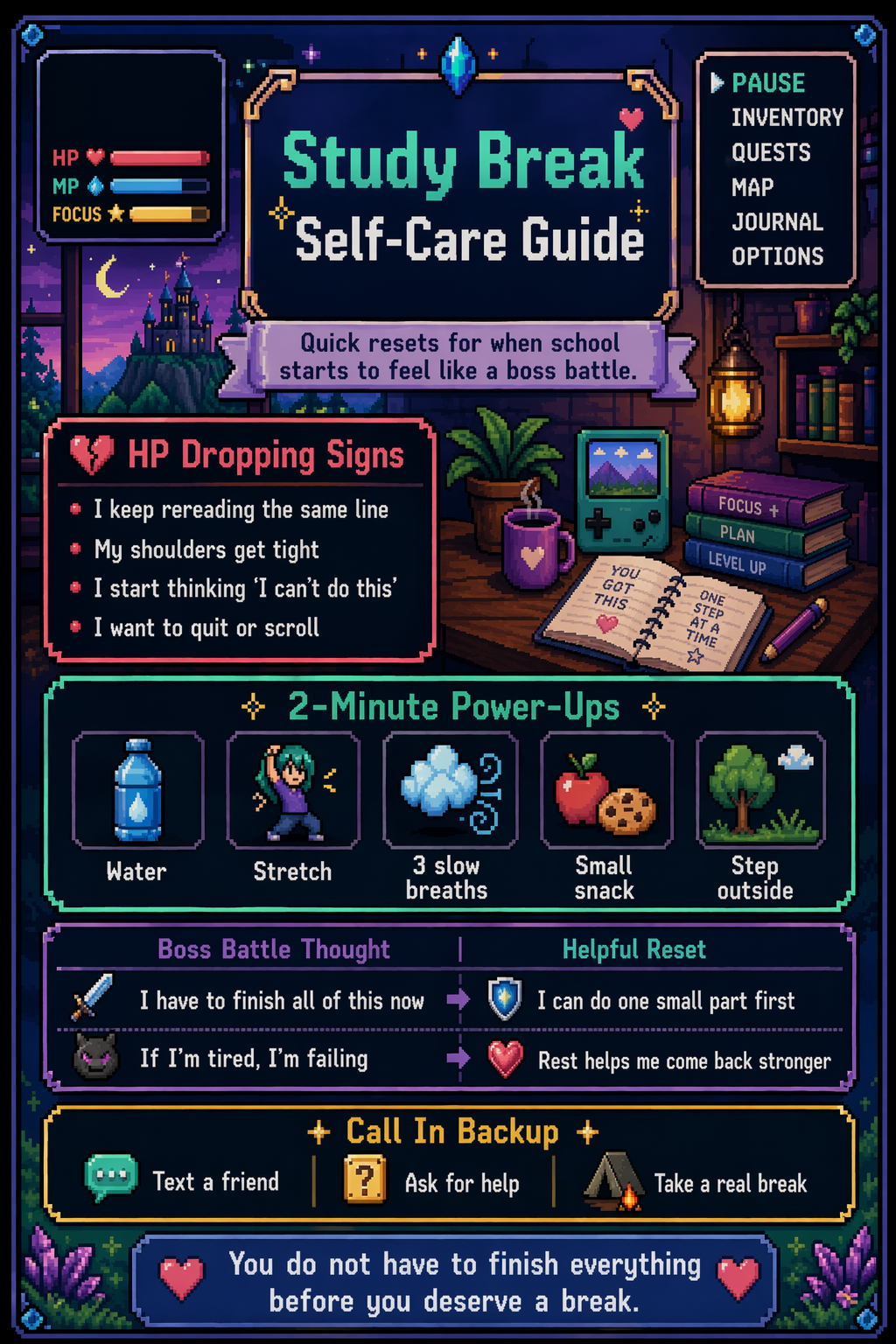
Reliable output quality opens up formats beyond standard handouts. A coping skill can become a collectible card. A set of reminders can become a game-style inventory. An exposure ladder can become a quest map. A nervous system concept can become a field guide, a weather chart, or a set of characters with different regulation states.
I once made a set of coping cards in the style of a Roblox-like game. Each card had a different monster with its own coping name and look. The style helped, and the clinical payoff was practical. The coping skills became easier to remember, easier to refer to in session, and easier to carry around. Laminated, they felt more like something owned than something handed out.
Image generation can also work in batches. A clinician could make several handouts for the day at once, build a set of coping cards around one theme, or create a group of visuals for a class, group, or parent training. Multi-page materials still need review for consistency, but being able to generate a set at the same time helps keep the style, tone, and language closer across pages.
Batch generation is especially useful when several materials belong together. A parent handout, child-facing worksheet, office poster, and take-home card can share the same language and visual style. A multi-page psychoeducation packet can use the same metaphors across pages. A set of exposure materials can move from easy to hard without feeling like five unrelated worksheets.
From Source To Visual
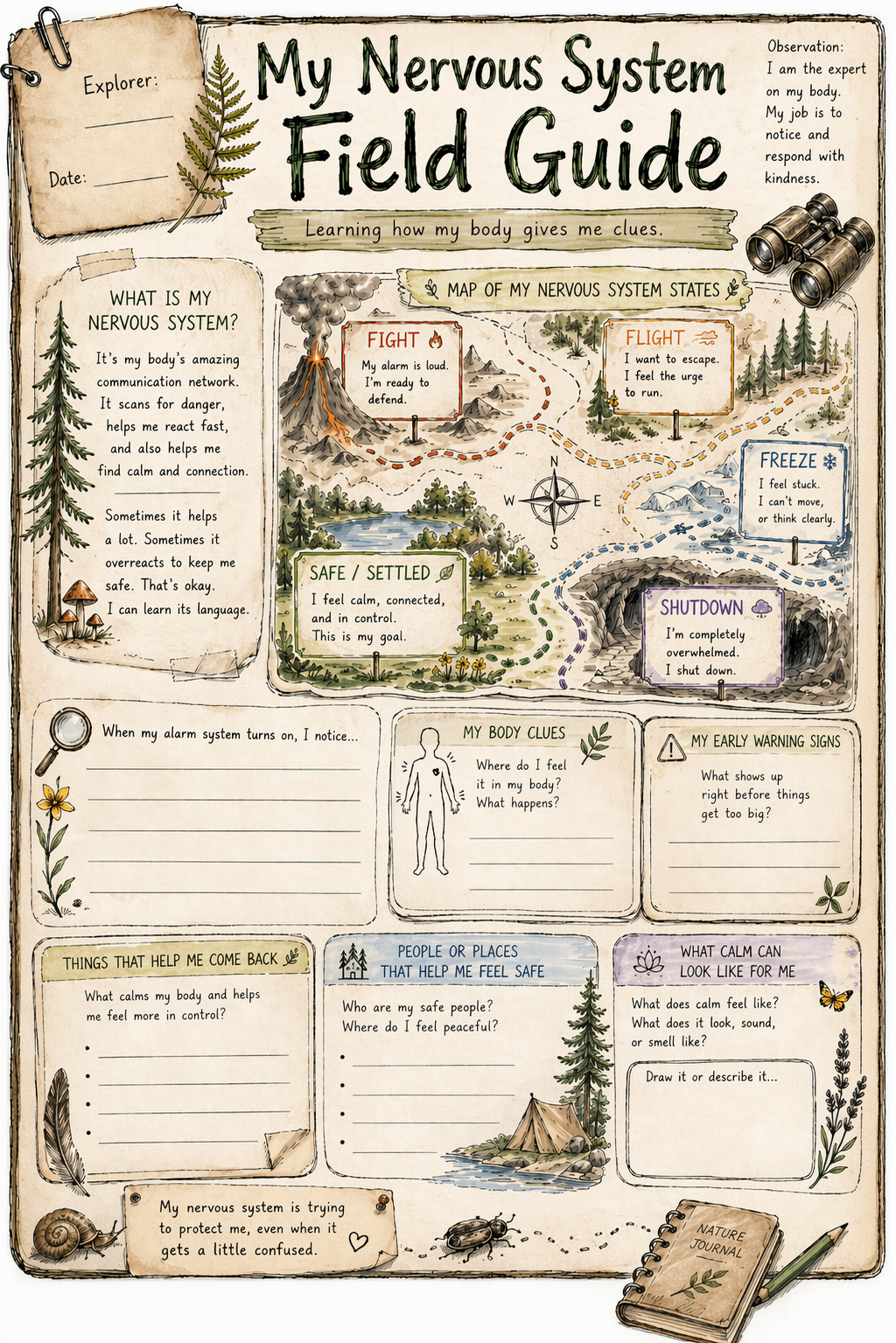
The tool can also help develop the content before it designs the page. A clinician can start with a dense topic, article, PDF, slide deck, or rough clinical idea and ask for the main teaching points, a simpler reading level, a parent-facing version, or a one-page summary. That same material can then become a visual. The workflow can begin with source material instead of a blank prompt.
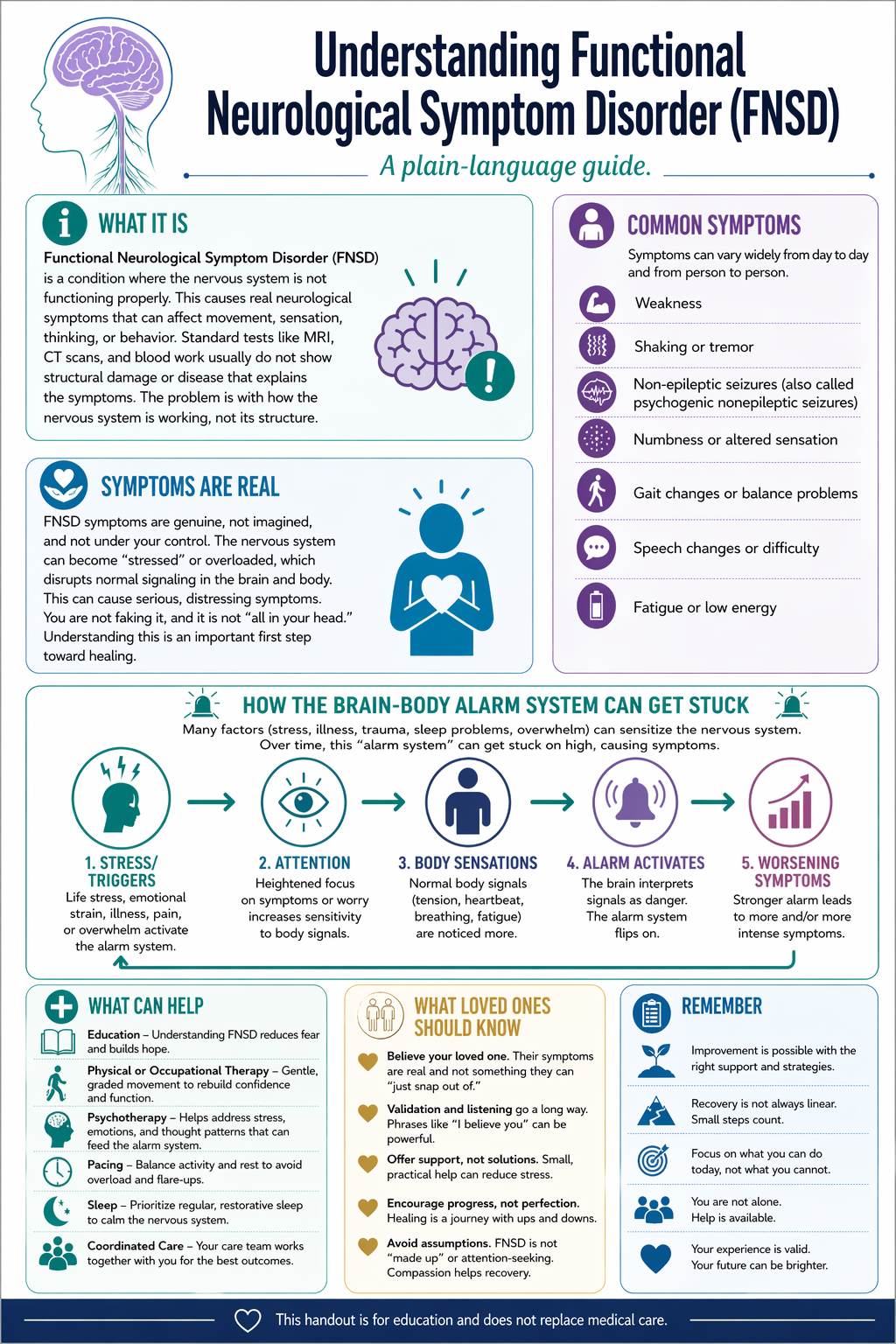
This is especially useful for niche psychoeducation. Functional neurological symptom disorder is a good example. A clinician could start with source material, identify the teaching points a client or family needs, simplify the language, and turn that into a visual handout. The same process works for parenting strategies, school-facing materials, exposure plans, coping guides, group handouts, office visuals, and presentation slides.
Review Still Matters
Clinical judgment still has to carry the message. The clinician decides what belongs on the page, what sources to trust, what tone fits, and whether the finished material is accurate. The model can help research, condense, translate, and design, but the clinician remains responsible for the content and the clinical use.
Review belongs in the workflow, especially when the material teaches a clinical concept. Dense psychoeducation needs checking. Text errors still happen. Images can include awkward wording, strange emphasis, or visual details that do not fit the case. Cloud tools also require a privacy boundary. Identifying client information should stay out of general cloud prompts, even when the final handout looks polished.
ChatGPT Image 2 is useful because speed, individualization, and content development now work together. Speed makes visual materials practical. Individualization helps them fit the client. Content development lets the tool help with the teaching points before turning them into something visual.
Clinicians can now make many of the materials they used to wish already existed. The harder habit may be imagining the material in the first place. What would help this person understand, remember, practice, or carry the intervention outside the room? More often now, that material can be made.
Subscribe for future posts
If you want new writing at the intersection of AI and psychology, ethics, and implementation of AI in clinical practice, subscribe on Substack.
The views expressed here are my own and do not necessarily reflect the views of any current or future employer, training site, academic institution, or affiliated organization.